
Buyer's Guide
Homestead Starter Kit: What to Buy First (and What to Skip)
Disclosure: we may earn a commission when you buy through some links on this page, at no extra cost to you. It does not affect what we recommend or how we rank it. How this works.
Most first-year homesteaders spend money in the wrong order. They buy a greenhouse before they have consistent seed starts. They buy a riding mower before they know their land. This guide is the honest list: what actually matters in year one, organized by category, with the skip list at the top.
Skip these in year one
- Expensive greenhouse kit ($500+): You do not know your microclimate yet. Start with a cold frame or a grow light setup. See which works for your space first.
- Riding mower: Most homestead properties under 2 acres do not need one. A good walk-behind mower handles the job and costs a fraction of the price.
- Freeze dryer: At $2,500+, a freeze dryer is a year-three purchase. Master canning and dehydrating first. Buy a freeze dryer when you have consistent harvest volume to justify it.
- Large livestock (pigs, cattle): Start with chickens. They are low-cost, low-risk, and teach you the realities of animal keeping. Most people who rush to large livestock regret it.
- Grain mill: Great tool. But you need to be buying grain in bulk before this makes economic sense. Year two or three.
Seeds and growing: start here
The most important homesteading investment is seeds. Not a greenhouse, not raised beds, not a tiller. Seeds.
Buy open-pollinated heirloom seeds. These produce seeds you can save at harvest, replant the next year, and save again. Hybrid seeds from big box stores produce seeds that either do not germinate or produce weak plants. After two or three seasons of saving seed, your seed cost approaches zero.
Survival Garden Seeds Heritage Seed Vault
35 varieties · All open-pollinated · Includes planting guides
Tomatoes, peppers, squash, beans, greens, herbs. One order gets you started on everything. The planting guides cover spacing, days to maturity, and seed saving instructions per variety. This is the foundation of a seed library, not just a garden starter pack.
Ladbrooke Medium Soil Blocker
2-inch blocks · No plastic cells needed
Soil blockers make transplant-ready starts without any plastic trays or cells. Press the blocker into moistened starting mix, eject the blocks onto a tray, plant a seed in each dimple. The roots air-prune at the block edge instead of circling, which means better transplant success. This tool pays for itself by year two.
Once you have seeds, you need somewhere to store the ones you save. See our best seed storage guide for options that keep germination rates high.
Hand tools: buy quality once
Cheap garden tools break. They break when you need them, in the middle of a bed that needs turning. Buy good hand tools once and never replace them. The two brands that hold up are Fiskars and DeWit. Either is a better investment than a set of five cheap tools. Buying once only pays off if you keep them: see garden tool maintenance.
Fiskars Xact Gardening Tool Set
Trowel + transplanter + cultivator · Lifetime warranty
Forged heads, comfortable grip handles, and a lifetime warranty. The Xact series is built for heavy use. The trowel moves soil without bending. The transplanter has depth markings. The cultivator breaks up hard soil between rows. These three tools cover 80% of hand garden work.
AcuRite 5-in-1 Weather Station
Temp + humidity + rainfall + wind + pressure
Your microclimate is different from the nearest weather station. A local rain gauge tells you exactly how much water your beds received so you know when to water and when to skip it. Rainfall data over a season shows you low spots, drainage problems, and frost pockets. This is data you cannot buy, only collect. One season of readings changes how you manage your land.
Food preservation: where the homestead pays off
Growing food is only half the equation. Preserving it is where the economic value comes from. A summer garden can produce more food than a family can eat fresh. Without preservation, that surplus rots. With it, you eat your garden through January.
Start with water bath canning for jams, pickles, and tomatoes. Add a pressure canner when you want to preserve vegetables and meat. A food dehydrator is the easiest entry point if canning feels intimidating.
See these guides for preservation gear:
- Best pressure canners for vegetables, meat, and broth
- Best compost systems to build the soil that grows everything else
Livestock basics: start with chickens
Chickens are the entry point to homestead animal keeping. They are low-cost, they eat kitchen scraps and garden waste, and they produce eggs daily. A flock of four hens costs about $20-$30 per month to feed and produces enough eggs to cover a family plus sell extras.
The two things that matter most: predator-resistant housing and clean water. Everything else is secondary. See our best chicken coop guide and best chicken breeds for beginners before you buy chicks. When you are ready for more than birds, housing and fence are the two decisions that cost most to get wrong: see the goat shelter guide and the rabbit hutch guide.
Growing shelter: cold frame before greenhouse
A greenhouse is a year-two or year-three investment. A cold frame is a week-one investment. Cold frames cost $30-$100 to build from lumber and a polycarbonate panel. They extend your growing season by 4-6 weeks on each end. That is meaningful.
Once you know your property, your growing goals, and your budget, a greenhouse makes sense. But a cold frame will outperform an expensive greenhouse kit for the first year or two while you are still learning where the sun hits and where the frost lingers.
See our comparison: best cold frames and best greenhouse kits.
The honest year-one checklist
| Category | Buy in year one | Wait for year two+ |
|---|---|---|
| Seeds | Heirloom seed vault | Specialized rare varieties |
| Tools | Quality hand tools, shovel, fork | Tractor, riding mower |
| Growing shelter | Cold frame, grow lights | Greenhouse kit ($500+) |
| Food preservation | Water bath canner, dehydrator | Pressure canner, freeze dryer |
| Livestock | 4-6 chickens, coop, waterer | Pigs, cattle, goats |
| Soil | Compost system, soil test | Large tiller |
| Data | Rain gauge, thermometer | Full weather station |
Related guides
Soap Making Supplies for a First Batch
What a cold process setup actually needs, and what can wait
Best Seed Storage Containers
Keep your seed library viable for 5+ years
Best Chicken Coops
Predator-resistant housing for small flocks
Best Cold Frames
Extend your season without a greenhouse
Best Greenhouse Kits
For when you are ready to go bigger
Worth Having Alongside
Each of these solves a problem this guide raises.

Fiskars 3-piece garden hand tool set
This page says buy good hand tools once and names Fiskars. This is that set: trowel, transplanter, cultivator.
Amazon does not use the Xact line name on this listing. Same three tools the page describes.
Check price on Amazon
Barrina T5 full spectrum grow lights, 4 pack
The year-one checklist puts grow lights in the buy column and a greenhouse kit in the wait column. This is the cheap half of that trade.
T5 strips mount under a shelf. Seed starting only; not a substitute for a season outdoors.
Check price on Amazon
Luster Leaf Rapitest soil test kit
The checklist calls for a soil test in year one, and soil is the thing every other item on this page depends on.
A home kit gives you a direction, not a lab result. County extension offices run proper tests cheaply.
Check price on Amazon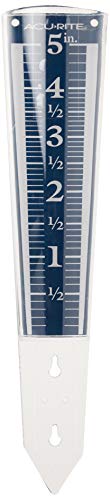
AcuRite 5 inch magnifying rain gauge
A rain gauge is on the year-one list, and it is the input the rainwater calculator asks you for.
Your own figure beats any regional average, which is why the calculator does not ship one.
Check price on Amazon
Jar lifter
The first preservation tool worth owning, and the one with no household substitute.
Fits standard pint and quart jars.
Check price on Amazon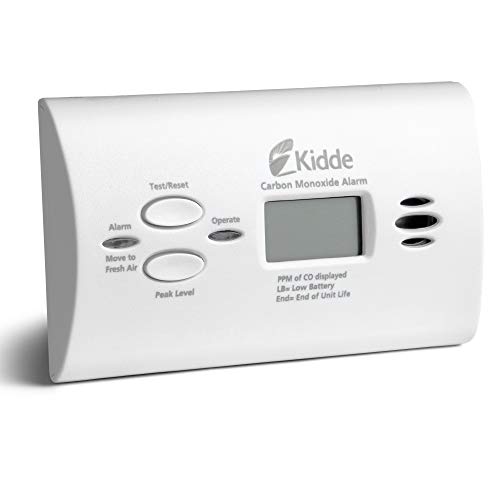
Battery powered carbon monoxide alarm
Belongs on the list before any generator does, and works on its own battery during the outage that has one running.
Test the battery before the season you will need it, not during.
Check price on Amazon
Common questions
What do you need to start homesteading?
The basics are seeds, soil-building tools (compost, hand tools), and a way to preserve what you grow. In year one, focus on a kitchen garden, a compost system, and one preservation method (water bath canning or a food dehydrator). Add chickens or a greenhouse in year two once you have the basics running.
How much land do you need to homestead?
You can start homesteading on less than a quarter acre. A 20x20 garden bed, a small flock of 3-4 chickens, and a root cellar or food preservation setup will get you meaningfully self-sufficient. Larger acreage matters more for livestock like pigs, cattle, or large grain production.
What should a homesteader buy first?
Seeds and a way to save them, a quality set of hand tools, and a compost system. These three form the foundation of every other homesteading skill. Avoid expensive greenhouse kits, riding mowers, and fancy equipment until you know your land and workflow.
What homesteading skills should I learn first?
Soil health, seed starting, water bath canning, and basic chicken keeping. In that order. Soil is the base of everything. Seed starting extends your growing season. Canning lets you preserve the harvest. Chickens teach you animal husbandry at low cost and risk.
Affiliate Disclosure: Some links are affiliate links. Full disclosure.