
Garden Tool Maintenance
Disclosure: we may earn a commission when you buy through some links on this page, at no extra cost to you. It does not affect what we recommend or how we rank it. How this works.
A sharp spade slices sod. A blunt one bounces off it and the difference lands in your shoulders. Most homestead tools are replaced years before they are worn out, because nobody spent ten minutes on them.
The whole job, in order
- Scrape the dirt off. Dried soil holds moisture against steel.
- Wire-brush any rust back to bare metal.
- File the edge, following the bevel that is already there.
- Wipe the steel with a light rust-preventive oil.
- Oil the wooden handle with boiled linseed, separately.
- Deal with the rags properly. See the warning below.
Sharpening, by tool
Shovels and spades
Clamp it so both hands are free. Run a 10 inch mill bastard file along the existing bevel on the front face only, pushing away from you. A file cuts in one direction, so lift it on the return instead of dragging it back, which only dulls the file.
Ten to fifteen passes at a consistent angle usually does it. Do not sharpen the back face. A shovel wants a single bevel and a slightly blunt one at that, because it lives in gravel and a thin edge chips the first time it finds a stone.
Hoes
Same file, shallower bevel, and the edge matters more than it does on a spade because a hoe is asked to sever roots rather than move soil. A sharp hoe turns weeding from chopping into a push, which is the single biggest quality-of-life change on this page.
Bypass pruners
Bypass pruners cut with one blade against an anvil-less hook, so only that blade gets sharpened, on its bevelled outer face. A few strokes with a dual-grit diamond stone following the curve, then feel the back for a burr and take it off flat.
Before sharpening, check whether they are actually blunt. Sap sets in the pivot and around the spring, and pruners that feel dead are usually gummed rather than dull. Strip, clean the pivot, reassemble, and half the time that is the whole repair.
Two oils, two jobs
| Goes on | Use | Why |
|---|---|---|
| Steel | Camellia or another light rust-preventive oil | Displaces moisture and does not gum up or go sticky in a shed |
| Wooden handles | Boiled linseed oil | Handles dry out, raise splinters, and eventually snap at the neck |
Swapping them does not work. Linseed on a blade leaves a tacky film that collects grit, and a light machine oil on a handle does nothing for the wood at all.
Linseed oil rags can catch fire on their own
This is not a rumour and it is not rare. Boiled linseed oil cures by oxidising, oxidation generates heat, and a wadded rag insulates that heat against itself until it reaches ignition. No spark is involved. It is a documented cause of shed and house fires.
Do this instead: lay used rags out flat outdoors, on something that will not burn, until they are hard and dry. Or put them straight into a sealed metal container with water. Never leave them balled up in a bin, a bucket, or a pocket.
What the job takes
Four things, and the file and the stone will outlast everything you use them on.

Nicholson 10 inch mill bastard file
The one tool that sharpens a shovel, a hoe and an axe, and it will outlast every tool you use it on.
Cuts on the push only. Lift it on the return rather than dragging it back.
Check price on Amazon
SHARPAL dual-grit diamond sharpening stone
Pruners and knives want a stone rather than a file, and diamond does not dish out of flat the way a whetstone does.
Coarse side to reset an edge, fine side to finish. Works dry.
Check price on Amazon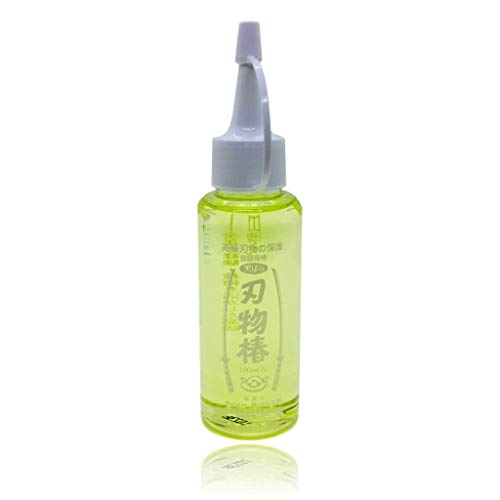
Camellia oil for tool steel
Goes on the steel. Displaces moisture without gumming, which is what separates it from a general purpose oil in a damp shed.
For blades and bare metal only. This is not the oil for handles.
Check price on Amazon
Sunnyside boiled linseed oil, quart
Goes on the wood. Dry handles raise splinters and eventually snap at the neck, which is how most good tools actually die.
Rags soaked in this can ignite on their own. Dry them flat outdoors or seal them in metal with water. Never ball them up in a bin.
Check price on Amazon
Common questions
How do you sharpen a shovel?
Clamp it, then run a 10 inch mill bastard file along the existing bevel on the front face only, pushing away from you. A file cuts in one direction, so lift it on the return rather than dragging it back. Ten to fifteen passes at a consistent angle is usually enough. Do not sharpen the back face: a shovel wants a single bevel, not a knife edge.
What angle do you sharpen a shovel or hoe to?
Follow the bevel that is already there rather than choosing a number. Digging tools carry a blunter bevel than cutting tools because they hit stones, and a thin edge on a spade chips the first time it finds gravel. If the original bevel is gone, roughly 45 degrees on a shovel and a little shallower on a hoe is a working starting point.
How do you sharpen pruners without taking them apart?
Bypass pruners cut with one blade, so only that blade is sharpened, on its bevelled outer face. A dual-grit diamond stone or a fine file, a few strokes following the curve, then check the back is flat and free of burr. Taking them apart is optional for sharpening and necessary for cleaning sap out of the pivot, which is what usually makes them feel blunt.
What is the best oil for garden tools?
Two different oils for two different jobs. A light rust-preventive oil such as camellia goes on the steel and does not gum. Boiled linseed oil goes on wooden handles, which dry out, splinter and eventually snap at the neck. Using linseed on a blade leaves a sticky film, and using a light machine oil on a handle does nothing for the wood.
Do rags with boiled linseed oil really catch fire?
Yes. Linseed oil cures by oxidising, which generates heat, and a wadded rag insulates that heat until it reaches ignition. This is a documented cause of house and shed fires, not a rumour. Lay used rags flat outdoors to dry hard, or put them in a sealed metal container with water. Never leave them balled up in a bin or a pocket.
How often should garden tools be sharpened?
Once at the start of the season and once in the middle of it covers most homestead use. The better trigger is how the tool feels: a spade that bounces off sod rather than slicing it, or pruners that crush a stem instead of cutting it cleanly, are asking. A crushed pruning cut heals worse than a clean one, so a blunt pruner is a plant health issue rather than only an annoyance.