
Buyer's Guide
Best Chicken Coops (2026), Picks That Actually Last
Disclosure: we may earn a commission when you buy through some links on this page, at no extra cost to you. It does not affect what we recommend or how we rank it. How this works.
The backyard chicken community has one rule about coops: do not buy the cheap ones on Amazon. They look great in photos. They fall apart in one winter. Here is what actually works.
The #1 Rule: Hardware Cloth, Not Chicken Wire
This is the most repeated piece of advice in every chicken forum, subreddit, and Facebook group. Chicken wire keeps chickens in. It does not keep predators out. Raccoons tear through it like tissue paper. Use 1/2-inch hardware cloth on every opening, windows, vents, run walls, and floor if you have digging predators.
Space Requirements (Non-Negotiable)
| Feature | Per Bird | 6 Birds | 12 Birds |
|---|---|---|---|
| Coop floor | 4 sq ft | 24 sq ft | 48 sq ft |
| Run space | 10-15 sq ft | 60-90 sq ft | 120-180 sq ft |
| Roosting bar | 1 linear ft | 6 ft | 12 ft |
| Nesting boxes | 1 per 4-5 hens | 2 boxes | 3 boxes |
Our Top Picks
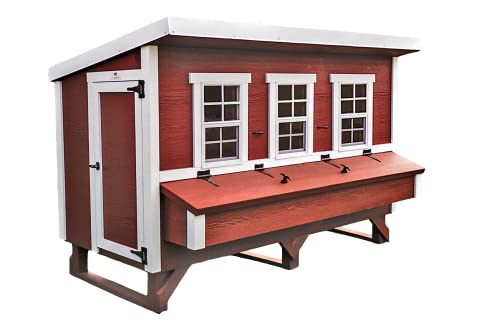
OverEZ Large Chicken Coop
OverEZ
$1,000 to $2,500
Pre-built coop for 15 chickens. Solid construction that actually survives winter. One of the few prefab coops the community respects.
+Fits up to 15 chickens comfortably
+Genuine wood construction — not flimsy particle board
-Expensive for a prefab coop
-Heavy — 350+ lbs shipped
If you want a prefab coop that will not fall apart in one winter, OverEZ is one of the few options the backyard chicken community actually recommends. Most Amazon coops under $500 are universally mocked. The OverEZ costs more because it is built like real furniture, not a cardboard box.
The Large, for up to 15 hens, is out of stock on Amazon. This button goes to the OverEZ XL, for up to 20 hens.

Omlet Eglu Cube Large
Omlet
$1,000 to $2,500
Plastic rather than timber, which is the whole argument for it: there is nowhere for mites to live and you can wash it out with a hose.
+Non-porous surfaces give red mite far fewer places to hide than bare wood
+Cleans out in minutes, which matters more in year three than on day one
-Costs more than a timber coop of the same capacity
-Plastic looks like plastic, if that matters to you
Buy this if the thing that will actually make you stop keeping chickens is cleaning the coop. Mite treatment on porous timber is miserable and recurring; a washable shell removes most of that job. It does not remove the need for hardware cloth on every opening.

Formex Snap Lock 4-6
Formex
$500 to $1,000
The cheapest coop here from a named maker. Double-wall plastic, snaps together, and sized honestly for four to six birds.
+Well under the Omlet at a smaller capacity
+Double-wall plastic, so the same easy-cleaning argument applies
-Four to six birds is a real ceiling, not a conservative one
-Lighter build than the Omlet and it feels it
The sensible starter coop if you are not yet sure chickens are a permanent arrangement. Plan on replacing the supplied mesh with half-inch hardware cloth immediately, which is true of nearly every coop at this price.
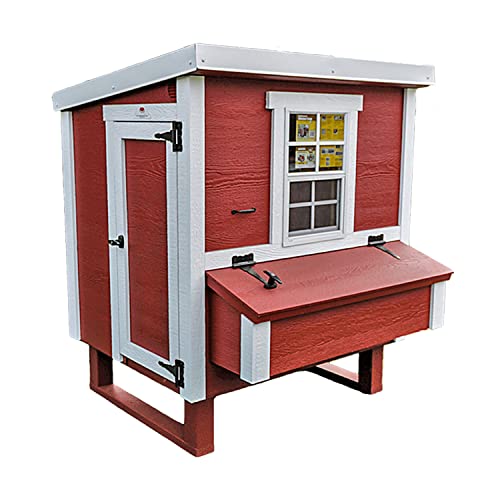
OverEZ Classic Medium
OverEZ
$1,000 to $2,500
The same coop as our top pick in a smaller size, for flocks that are never going past ten birds.
+Arrives assembled, which is worth more than it sounds
+Same construction as the Large, at a lower price
-Timber needs sealing and re-sealing, unlike the plastic coops here
-Ten birds is the stated ceiling and flocks grow
Choose this over the Large only if you are certain about the flock size. The commonest regret in this category is buying for the flock you have rather than the one you will have in two years.
The other half of keeping a flock safe is the door, because a coop is only shut if somebody shuts it. Our automatic chicken coop door guide covers the openers we can actually verify, and it is the one category here where every pick is currently in stock.
What to Look for in a Chicken Coop
Materials
Solid wood or treated pine that can handle weather cycles. The cheap Amazon coops use thin plywood panels that delaminate after one wet season. Look for tongue-and-groove or overlapping board construction on the walls. If it looks like furniture in a photo, that is a good sign. If it looks like a cardboard box, skip it.
Ventilation
Ventilation prevents frostbite in winter and heat stress in summer. Every coop needs vents near the roofline that can stay open even in rain. The vents should be covered with hardware cloth, not chicken wire. A well-ventilated coop with dry bedding is warmer in winter than a sealed coop with moisture buildup.
Ease of cleaning
You will clean this coop every week for years. Check: Does the floor pull out or is it fixed? Can you reach every corner without crawling inside? Is the roof hinged for access? A design that makes cleaning miserable means it will not get cleaned, which means sick chickens. This is not a detail, it is the feature that determines whether you enjoy keeping chickens long-term.
Run integration
Most prefab coops are sold without a run. Budget for the run separately and plan the hardware cloth before purchase. Bury hardware cloth 12 inches into the ground around the run perimeter or run it 12 inches outward as an apron to stop digging predators like foxes and raccoons. Skip this step and you will learn why the community repeats it constantly.
Automatic Coop Doors That Actually Work
An auto door closes at dusk and opens at dawn. When it works, it saves your flock from nighttime predators. When it fails, chickens die. Three brands to compare:
Ador1
Check the power source, timer options and cold-weather rating on the maker's page before you buy.
RUN CHICKEN Eternal
A solar automatic door. Run-Chicken lists light sensor and timer modes. Check its cold-weather rating before you buy.
Pullet Shut
Check the power source, timer options and cold-weather rating on the maker's page before you buy.
The Heating Debate
This is the most controversial topic in backyard chickens. Old-timers say no heat. New owners panic at -20F. Here is the consensus:
- Most cold-hardy breeds do not need heat. Ventilation and dry bedding matter more.
- Never use heat lamps. They cause barn fires. This is not debatable.
- Nothing is predator-proof. A raccoon opens simple latches, a weasel fits through an inch of gap, and a determined dog digs. Hardware cloth, a two-step latch and closing up at dusk are what actually keep a flock alive; the hardware cloth guide covers mesh size, gauge and the apron. Treat any coop as predator-resistant and keep checking it. eXtension Poultry says plainly that an enclosure may not be enough on its own, which is also why our electric poultry netting guide refuses to call netting a barrier.
- If you must add heat: use a low-wattage radiant panel heater (Sweeter Heater, Cozy Coop).
- Frostbite risk: comes from humidity, not cold. Ventilate the coop to remove moisture.
Related Reading
Nesting Boxes: Sizing, Number, and Placement
What goes inside the coop, and why the boxes must sit below the roost
Electric Poultry Netting: Sizing, Grounding, and Limits
What netting keeps out during the day, and why the coop door still does the work at night.
Raccoon-Proofing a Coop
Four coop changes that keep a raccoon out
Best Chicken Breeds for Beginners
Cold-hardy layers that do not need a heat lamp
Supplies you will buy again

VEVOR 1/2 inch hardware cloth, 36 in x 50 ft
Chicken wire keeps chickens in. Half-inch hardware cloth is what keeps a weasel out, and the gap this page warns about is an inch.
Predator-resistant, not predator-proof. It only works where it is fastened down and buried or aproned at the base.
Check price on Amazon
Spring-loaded stainless barrel bolt latch
A raccoon works a simple hook latch. A two-step latch takes a hand, which is the whole point of the fix.
Fitting a better latch does not replace closing up at dusk. It buys you the night you forget once.
Check price on Amazon
Pine shavings bedding
Soaks up droppings and keeps the coop dry. Damp bedding is what starts most coop problems.
Pine, not cedar. Cedar oils can irritate a bird's airway.
Check price on Amazon
Nesting box pads
Gives hens a clean place to lay and means fewer cracked eggs.
Check price on Amazon
Common questions
How much space do chickens need in a coop?
4 square feet of floor space per bird inside the coop, 10-15 square feet per bird in the run, and one linear foot of roosting bar per bird. Overcrowding causes pecking, stress, and disease.
Is chicken wire enough to protect chickens from predators?
No. Chicken wire keeps chickens in but does not keep predators out. Raccoons tear through it easily. Use 1/2-inch hardware cloth on all openings. This is the single most repeated piece of advice in every chicken forum.
Do chickens need a heated coop in winter?
Most cold-hardy breeds do not need supplemental heat. Good ventilation and dry bedding matter more than warmth. If you must add heat, use a low-wattage radiant panel heater, never a heat lamp, which is a serious fire hazard.
Should I build or buy a chicken coop?
The backyard chicken community strongly favors building over buying prefab. Most prefab coops under $500 are made from thin materials that fall apart in one winter. If you cannot build, invest in a quality prefab from brands like OverEZ ($2,000+) that use real wood construction.
Affiliate Disclosure: Some links are affiliate links. Full disclosure.
Before you choose: Chicken coop size per bird
Manufacturer bird counts are optimistic. Extension figures give 1.5 sq ft of coop floor and 8 sq ft of run per laying hen, which is the number to check a listing against.
Read chicken coop size per bird