
Wood Stove Guide
Disclosure: we may earn a commission when you buy through some links on this page, at no extra cost to you. It does not affect what we recommend or how we rank it. How this works.
Search for a wood stove and every result tells you how many square feet it heats. EPA will not give you that number. Once you see why, the whole category reads differently.
Read this before anything else
You cannot install a wood stove from an article. Not this one, not any of them. Clearance to combustibles, hearth construction and how the stove connects to a chimney are part of what a specific model was listed and tested for. They change with the model and with the shielding used.
Three things outrank anything written here, in this order: your stove's installation manual, then your local building and fire code, then a qualified installer who has seen your house. This page helps you choose a stove and live with it. It does not tell you how to put one in.
The square-footage number nobody official will give you
Retailers print a heating area on every listing. EPA does not, and they are the ones who certify these things. Their sizing guidance is three words long:
| Stove size | EPA says it suits |
|---|---|
| Small | A family room, or a seasonal cottage |
| Medium | Small houses |
| Large | Larger, open-plan houses |
EPA points people at experienced hearth retailers who know how particular models actually perform, rather than at a blanket sizing formula. That is a deliberate refusal, not an oversight.
The reason is that a square-footage rating is a claim about your house, not about the stove. Two houses of the same size, one with new insulation and one built in 1910, do not need the same stove. Nor do an open plan and a warren of small rooms. A rating printed on a box cannot know any of that.
Too big is a real problem, not a safe margin
People buy up a size the way they buy a bigger generator, on the theory that spare capacity cannot hurt. With a stove it can.
An oversized stove makes a room too hot at a proper burn, so it gets run damped down instead. A damped, smouldering fire is the cool, smoky burn that deposits creosote in a chimney. The way people cope with a stove that is too big is the same behaviour that causes the chimney problem.
What EPA certified actually means
Since 2020 the New Source Performance Standard limit for new room heaters is 2.0 grams of particulates per hour tested with crib wood, or 2.5 grams per hour tested with cord wood.
Those two numbers are not directly comparable, and the difference is worth understanding. Crib wood is dimensional lumber stapled into a test stack. Cord wood is ordinary firewood, and EPA says it is the better measure of how a heater performs in a real home. A stove tested on cord wood at 2.5 is not worse than one tested on crib wood at 2.0. It was tested against harder conditions.
Catalytic or not
Both types meet the standard, so this is about how you want to live with the thing rather than which is better.
| Non-catalytic | Catalytic | |
|---|---|---|
| How it burns clean | Firebox insulation, a large baffle, pre-heated combustion air | Exhaust passes through a coated ceramic honeycomb |
| Parts to replace | Baffle and gaskets over time | The catalyst itself |
| Suits | Simpler operation | EPA: people who like technology and will maintain it properly |
The catalyst is the number that decides this. EPA says it can last more than six seasons if the stove is used properly, but if the stove is over-fired it may break down in as little as two years. That is a three-times difference driven by how you run it, which is a fair summary of the whole choice.
The chimney is not an accessory
A stove and its venting are one system. The stove you can choose from a showroom. The chimney depends on your house, and it is where the fire risk lives.
NFPA 211 states that chimneys, fireplaces and vents shall be inspected at least once a year for soundness, freedom from deposits and correct clearances. CSIA recommends sweeping at an eighth of an inch of sooty buildup, and sooner if there is any glaze present. Heavy use can mean checking monthly rather than annually.
Glaze is the one to take seriously. Ordinary soot brushes off. Glazed creosote is hard, shiny and stuck, it is what burns in a chimney fire, and it is a job for someone with the right tools rather than a weekend.
Carbon monoxide, and the detector that keeps working
Anything burning fuel indoors can produce carbon monoxide, and you cannot smell it. A wood stove gets used hardest during a power cut, which is exactly when a mains-only alarm is doing nothing.
Battery or battery-backed, and test it before the season rather than during it. This is the same reasoning behind the alarm on our starter kit, which puts a CO alarm on the list before any generator.
Running one safely
No stove here. Stoves are a showroom purchase where clearances, venting and your own house decide the answer, and Amazon is not the place for that. These are the things that keep one running well.
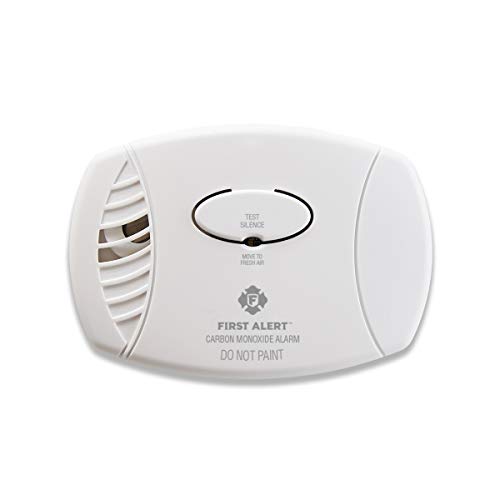
First Alert battery carbon monoxide alarm
Anything burning fuel indoors can make carbon monoxide and you cannot smell it. A stove gets worked hardest in a power cut, which is when a mains-only alarm is doing nothing.
Battery powered, so an outage does not disarm it. Test it before the season, not during.
Check price on Amazon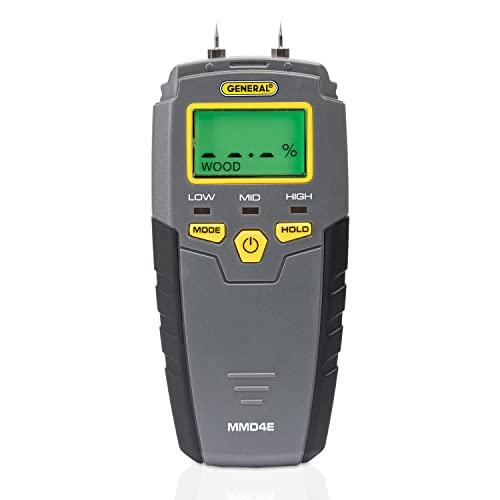
General Tools MMD4E moisture meter
EPA puts good firewood under 20 percent moisture. Wet wood is behind most complaints about a stove.
Split a piece and test the fresh face. The outside of a round dries long before the middle.
Check price on Amazon
Midwest Hearth magnetic flue thermometer
Tells you whether you are running the stove in its proper range instead of guessing from the flames.
Made for a single-wall pipe. Check your own manual for where it should sit on your setup.
Check price on Amazon
Midwest Hearth chimney sweep rod kit
CSIA recommends sweeping at an eighth of an inch of sooty buildup, which comes round faster than people expect.
Ordinary soot is a homeowner job. Hard, shiny glaze is not, and that one needs a sweep with the right tools.
Check price on Amazon
Common questions
What size wood stove do I need for my house?
EPA does not answer this in square feet, and neither will we. Their guidance is that small stoves suit a family room or a seasonal cottage, medium stoves suit small houses, and large stoves suit larger open-plan houses. They point people at experienced hearth retailers who know how particular models perform rather than at a blanket sizing formula. Your insulation, your ceiling height and your layout all move the answer.
What does EPA certified mean on a wood stove?
It means the stove was tested against the New Source Performance Standard. Since 2020 the limit for new room heaters is 2.0 grams of particulates per hour when tested with crib wood, or 2.5 grams per hour with cord wood. EPA notes cord wood is ordinary firewood and a better measure of how a heater performs in a real home, which is worth knowing when you compare two numbers.
Is a catalytic or non-catalytic wood stove better?
Both meet EPA standards, so it is a question of how you want to live with it. A non-catalytic stove uses firebox insulation, a large baffle and pre-heated combustion air. A catalytic stove passes smoky exhaust through a coated ceramic honeycomb. EPA says catalytic suits people who like technology and will maintain the stove properly, because the catalyst has to be replaced. It can last more than six seasons used properly, or break down in as little as two if the stove is over-fired.
How far does a wood stove have to be from the wall?
Only your stove's own manual can answer that, and this is not us being cautious. Clearance to combustibles is part of what a stove is listed and tested for, so it is specific to that model and to the heat shielding used. A number from an article is not a substitute, and your local building or fire authority may require more. Manufacturer manual first, then local code.
How often should a wood stove chimney be cleaned?
NFPA 211 says chimneys, fireplaces and vents shall be inspected at least once a year for soundness, freedom from deposits and correct clearances. CSIA recommends sweeping at an eighth of an inch of sooty buildup, and sooner if there is any glaze present. Heavy use can mean checking monthly rather than yearly.
Do I need a carbon monoxide detector with a wood stove?
Yes. Any appliance that burns fuel indoors can produce carbon monoxide, and it has no smell. A battery or battery-backed alarm keeps working when the power does not, which matters because a power cut is exactly when a wood stove gets used hardest.
Next
Sources: EPA Burn Wise, choosing a stove, EPA on certified stoves, NFPA 211 and CSIA homeowner resources. For anything about installing a stove, your model's manual and your local authority are the sources that count.
Before you choose: Wood stove clearance to combustibles
Clearance is set by the appliance's own listing label, not by a universal number. It constrains where a stove can go before it constrains which stove you buy.
Read wood stove clearance to combustibles