
Buyer's Guide
Best Vacuum Sealer for Homesteaders (2026), FoodSaver vs Weston vs Nesco
Disclosure: we may earn a commission when you buy through some links on this page, at no extra cost to you. It does not affect what we recommend or how we rank it. How this works.
A vacuum sealer is one of the fastest ways to cut food waste on a homestead. Garden harvests that would sit in zip-lock bags for two months now last two years. Meat from a deer or pig lasts the full season in the freezer without freezer burn. The cost pays itself back in the first harvest.
Last updated: October 9, 2026· Based on homesteading community data from r/homesteading, r/meatprocessing, and r/preppers
Why Every Homesteader Needs a Vacuum Sealer
Most homesteaders already have a chest freezer. The problem is everything in it eventually gets freezer burn. Zip-lock bags let air in. Oxygen destroys quality over time. A vacuum sealer removes that oxygen before the bag is sealed, extending the effective freezer life of meat from 4-6 months to 2-3 years.
- Meat and fish: Lasts 2-3 years in the freezer vs 4-6 months in a regular bag
- Garden vegetables: Blanch first, then seal — stays good 2+ years vs 8-12 months
- Dried herbs and spices: Vacuum-sealed mason jars keep herbs potent for 2-3 years
- Bulk buys: Portion and seal large meat purchases when prices are low
Quick Picks
- Best overall (right for most): FoodSaver FM5200 , reliable, automatic bag detection, wide accessory support
- Best heavy-duty (hunters and bulk processors): Weston Pro-2300, double piston pump and a fan-cooled motor made for sealing bag after bag
- Best budget (start here if unsure): Nesco VS-12 , compact, handles a full garden season
- Best for liquids and soups: Avid Armor USV20 — the only chamber sealer in this guide, and it seals soups without pre-freezing
Edge Sealer vs Chamber Sealer, This Is the Key Decision
Most people buy an edge sealer without knowing chamber sealers exist. Once you understand the difference, the choice is obvious based on what you cook and preserve.
| Feature | Edge Sealer | Chamber Sealer |
|---|---|---|
| How it works | Sucks air from bag opening | Evacuates entire sealed chamber |
| Can seal liquids? | No, liquid gets sucked out | Yes, soups, marinades, stews |
| Price range | $50–$200 | $139–$1,000+ |
| Bag cost | $0.15–$0.40/bag | $0.05–$0.15/bag (cheaper rolls) |
| Best for | Meat, vegetables, dry goods | Liquids, sous vide, bulk processing |
| Noise | Quiet (10-20 seconds) | Louder pump (30-45 seconds) |
| Best entry point | Nesco VS-12 or FoodSaver FM5200 | Avid Armor USV20 |
Bottom line: If you preserve soups, stews, or anything with liquid, get a chamber sealer. For everything else — meat, vegetables, dried goods, an edge sealer does the job at a lower price.
Bags and Ongoing Costs
The machine is a one-time cost. Bags are the ongoing expense. FoodSaver brand bags are reliable but expensive. Third-party rolls work with most machines and cut bag cost by 40-60%.
Meat Grinders: Sizing One for a Whole Animal
The step before sealing, and what a home grinder can actually get through
Pre-cut Bags
Convenient. Fixed sizes. Good if you seal one product type consistently. FoodSaver gallon bags run about $0.35-$0.50 each. Third-party versions run $0.15-$0.25 each.
Bag Rolls
Cut your own size. Cheaper per foot than pre-cut. A 50-foot roll costs $12-$18 and yields 30-50 bags depending on how you cut them. The better value for most homesteaders.
Thickness Matters
Cheap bags are 2-3 mil thick and blow out on sharp bones or pointed vegetables. Use 4+ mil bags for meat. 3 mil is fine for soft produce and dried goods.
Jar Sealing
The FoodSaver accessory port works with regular mouth and wide mouth mason jar attachments. Seal dried herbs, flour, and dehydrated vegetables in mason jars, no bags needed.
Our Top Picks
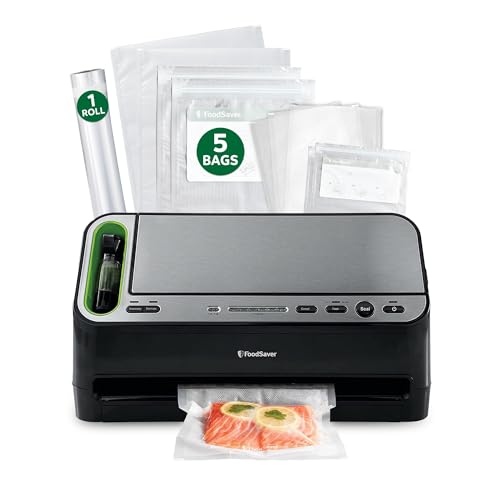
FoodSaver FM5200
FoodSaver
$200 to $500
The most reliable edge sealer for everyday homestead use. Moist and dry modes, automatic bag detection, and a wide bag ecosystem make this the default choice.
+Proven reliability across millions of users
+Automatic bag detection speeds up workflow
-Bulky footprint takes up counter space
-Proprietary bags cost more than generic rolls
The FoodSaver FM5200 is the right buy for 90% of homesteaders. It seals fast, bags are widely available, and it handles everything from jerky to frozen vegetables.
The FM5200 is out of stock on Amazon. This button goes to the FoodSaver V4400, a 2-in-1 sealer with automatic bag detection.

Weston Pro-2300
Weston
$200 to $500
Double piston vacuum pump with a 1,020 watt fan-cooled motor. Built for hunters, large garden harvests, and anyone processing 50+ bags per week.
+Industrial-grade double piston pump
+Seals even moist meat perfectly — no blowouts
-Expensive upfront — 2x the cost of FoodSaver
-Bulky and heavy
If you process deer, large garden harvests, or do 50+ bags per week, the Weston Pro handles what FoodSaver cannot.

Nesco VS-12
Nesco
$100 to $200
The most sensible starting point. 110W, compact, and reliable enough for a full season of garden sealing.
+Cheapest reliable option on the market
+Compact footprint — easy to store
-Single piston runs slower than premium models
-Less powerful on wet or moist foods
Start here if you're unsure. The Nesco VS-12 will handle a season of garden sealing and tell you if you need to upgrade.
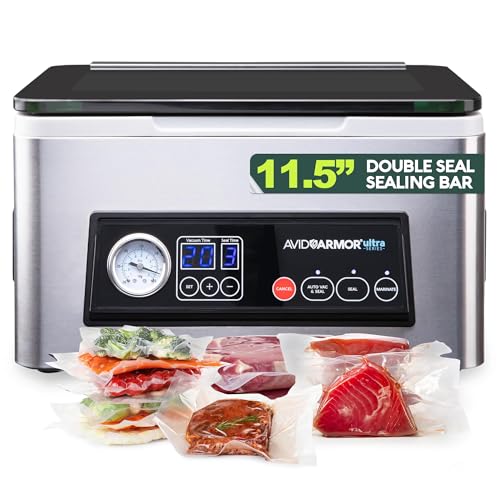
Avid Armor USV20
Avid Armor
$200 to $500
The only chamber sealer in this guide. Seals liquids, soups, and marinades without pre-freezing — something no edge sealer can do.
+True chamber design — seals liquids without pre-freezing
+Much better long-term value than edge sealers
-Smaller chamber — fits bags up to 8 inches
-Heavy for the size (17 lbs)
A true chamber sealer, and the only one here. Once you seal soups and stews without freezing them first, you won't go back.
When to Upgrade
Start with the Nesco VS-12 or FoodSaver FM5200. Upgrade when any of these apply:
- →You process deer or pigs. The Weston Pro-2300 handles bone-in cuts and high volumes that burn out lighter machines.
- →You want to seal soups or stews. Any edge sealer will fail on liquids. The Avid Armor USV20 is the entry point for chamber sealing.
- →You run 30+ bags per week. Budget machines overheat on high volume. The Weston is built for continuous commercial use.
- →You do sous vide cooking. A chamber sealer with a proper vacuum level produces better results than any edge sealer for sous vide bags.
More Food Preservation Guides
Vacuum sealing is one piece of the preservation puzzle. Pair it with dehydrating or freeze drying for a complete food storage system.
Common questions
How long does vacuum sealed food last?
It depends on what you are sealing and how you store it. Meats in the freezer: 2-3 years (vs 4-6 months unprotected). Dry goods at room temperature: 1-2 years. Cheese in the fridge: 4-8 months. Dehydrated foods in a cool pantry: 1-3 years. The key is removing oxygen. Vacuum sealing slows oxidation and freezer burn, but it does not stop it completely. For multi-decade storage, combine vacuum sealing with mylar bags and oxygen absorbers.
Can you vacuum seal mason jars?
Yes. The FoodSaver FM5200 and most FoodSaver models include a multi-use accessory port. You connect a jar sealer attachment (sold separately or included) to pull the air out of regular mason jar lids. This works well for dry goods like flour, dried herbs, and dehydrated vegetables. It does not create a pressure seal, it just removes oxygen. Store sealed jars in a cool, dark place for best results.
What are the best bags for vacuum sealing?
For FoodSaver machines, you have two choices: pre-cut bags or rolls. Rolls are cheaper per foot and let you cut custom sizes. FoodSaver brand bags are reliable but cost more. Anova, Weston, and Mueller brand bags work with most machines. For the Weston Pro-2300, you can use wider commercial-grade rolls up to 15 inches. Avoid cheap no-name bags, thin walls blow out under pressure. For long-term storage (5+ years), use bags rated at least 4 mil thick.
Chamber sealer vs edge sealer, what is the difference?
An edge sealer (FoodSaver, Nesco, Weston) pulls vacuum from the open end of the bag. It cannot seal liquids because the liquid gets sucked into the machine. A chamber sealer (Avid Armor USV20) puts the entire bag inside a chamber and evacuates all the air at once. This means you can seal soups, stews, marinades, and wet items directly, no pre-freezing needed. Chamber sealers are more expensive but far better for anyone preserving liquid-heavy foods.
Does vacuum sealing extend seed life?
Yes, significantly. Seeds need four conditions for long life: cool temperatures, darkness, low humidity, and low oxygen. Vacuum sealing addresses humidity and oxygen in one step. Standard seeds stored in a vacuum-sealed mason jar in a cool basement can remain viable for 3-5 years vs 1-2 years in a drawer. For maximum seed longevity (10-25 years), combine vacuum sealing or mylar bags with oxygen absorbers and store in a refrigerator or cool root cellar.
Affiliate Disclosure: Some links on this page are affiliate links. If you buy through them, we earn a small commission at no extra cost to you. This supports the site and keeps our reviews independent. Full disclosure.