
Product Review
Flow Hive Review (2026), Who Should Buy It and Who Should Not
Disclosure: we may earn a commission when you buy through some links on this page, at no extra cost to you. It does not affect what we recommend or how we rank it. How this works.
The Flow Hive raised over $13 million on Indiegogo in 2015 — the most-funded crowdfunding project in history at the time. The premise is compelling: turn a key and watch honey flow directly from the hive into a jar. Here is an honest look at what it does well, where it falls short, and who should actually buy one.
Last updated: August 31, 2026
The Flow Hive is not sold on Amazon, and the lookalikes there are not it
Search Amazon for a Flow Hive and you will get results. None of them are made by Flow. What comes back are third-party hives that put the words in the title, sold under names like ACORNS, housappk, or no brand at all. They are a fraction of the price, which is the tell.
This matters more than it would for most products, because the whole proposition rests on the flow frames sealing and cracking reliably inside a live colony. A frame that leaks into the brood nest is not a bargain, and the imitations are the part buyers report trouble with.
Flow Hive US sells direct at $899 to $1,059 depending on frame count and whether you take the stand. If a listing is far under that, it is not the hive this page is about. We earn nothing from the link above; it goes to the manufacturer because that is the only place the real one comes from.
What Is the Flow Hive?
The Flow Hive is a modified Langstroth beehive with a patented honey super designed by Stuart and Cedar Anderson, a father-and-son team from Australia. The key innovation is the Flow Frame: a set of partially formed plastic cells that bees complete with wax and fill with honey. When you turn a key inserted into the end of the frame, the cells split vertically along a pre-formed seam, creating a channel. Honey flows down through this channel and out of a tube at the side of the hive, directly into a jar.
The hive body itself is a standard Langstroth setup. Bees live in the brood boxes below. The Flow super sits on top. You can run the hive year-round like a normal Langstroth, the Flow mechanism only activates when you harvest. When the key is turned back, the cells return to their original position and bees repair them with wax, ready for the next filling cycle.
How the Flow Mechanism Works
Each Flow Frame contains vertical columns of plastic cells formed in an offset pattern. Bees cap the frames as they would normal comb. When you insert the Flow Key and turn it, the cell columns rotate slightly, this motion breaks the capping seal and splits the cell walls along the pre-formed seam.
Honey that was stored in the upper half of each cell now has a channel below it and flows downward by gravity toward the rear of the frame. A trough at the bottom of each frame collects the honey and drains it through a tube that exits through the rear wall of the super, directly into a collecting jar.
The process takes 20 minutes to a few hours depending on the volume of honey. You are not opening the hive. You are not disturbing the bees. This is the genuine innovation, and for people who hate traditional extraction, it is a real quality-of-life improvement.
What the Flow Hive Gets Right
Extraction Is Genuinely Easier
Traditional honey extraction involves removing frames from the hive, uncapping the wax cells with a hot knife or roller, loading frames into a centrifugal extractor, spinning the honey out, filtering it, and cleaning everything afterward. It is a 2-3 hour job with sticky equipment and a significant cleanup. The Flow Hive turns this into 10 minutes of turning a key and watching honey flow into a jar. For people who find extraction unpleasant, and many do, this genuinely changes the experience.
Less Hive Disturbance at Harvest
Opening a hive for extraction disturbs the colony. Bees rob each other during extraction. Traditional harvesting can trigger a defensive response, especially in late summer when colonies are protective of their winter stores. Flow Hive harvesting happens without opening the super at all. The bees continue working. There is less robbing behavior and typically a calmer post-harvest colony.
Quality Craftsmanship
The Flow Hive 2 and 2+ are built from Australian western red cedar — a premium, naturally rot-resistant timber that traditional beehives rarely use. Hardware quality is high. The assembly is straightforward. This is not cheap equipment dressed up with good marketing. The physical product reflects the price.
Accessible for People with Physical Limitations
Traditional extraction is physically demanding. Lifting full honey supers (30-40 lbs), cranking an extractor, and holding heavy frames is hard work. For beekeepers with back problems, shoulder injuries, or reduced grip strength, the Flow Hive eliminates some of the most demanding physical tasks in the harvest process.
Strong Customer Support
The company's Australian customer service team is responsive and the community resources, videos, guides, forums, are genuinely helpful. For a product this complex to troubleshoot remotely, that matters.
Honest Concerns About the Flow Hive
It Does Not Make Beekeeping Easier, Only Harvesting
This is the most important thing to understand before buying. The Flow Hive solves one part of beekeeping: extraction. It does not change any of the following: weekly or bi-weekly hive inspections during the active season, Varroa mite monitoring and treatment (the leading cause of hive death), swarm prevention and management, winter preparation and feeding, disease identification, queen health monitoring, and emergency splits. Beginners who buy a Flow Hive under the impression that the honey-on-tap imagery represents the full experience of beekeeping are often surprised, and sometimes discouraged, by the reality. The hive will still die if you do not treat for Varroa. The marketing does not say this loudly enough.
High-Crystallization Honeys Can Jam the Cells
Canola (oilseed rape) honey is the most common problem. Canola honey crystallizes within hours to days of being capped, fast enough to jam Flow Frames before they can be harvested. If you keep bees in an area with significant canola agriculture, the Flow Hive may not work reliably during canola season. You will need to remove the super and warm it before the mechanism will turn. This is a known limitation that the company acknowledges. Regional honey types matter more than most buyers realize.
Significant Cost Premium Over Traditional Equipment
A full Flow Hive 2+ setup costs $1,000-$1,200. A comparable Langstroth setup with two brood boxes, a honey super, frames, and all the hardware costs $200-$400. The harvesting convenience costs $600-$800 in real terms. For someone who harvests once a year and can borrow or rent an extractor for $25-$50, the math is difficult to justify unless the extraction experience is genuinely a barrier.
Plastic Cells in the Hive
Traditional beekeepers have concerns about plastic cells in the super. Bees apply propolis, a resinous antimicrobial substance — differently to plastic than to natural comb. Some beekeepers report that bees are slower to accept and fully utilize Flow Frames compared to standard wax foundation. Over years of use, the plastic cells also accumulate wax and propolis in ways that require periodic cleaning. The long-term durability of the plastic mechanism under seasonal temperature swings is also a real question that longer-term users have raised.
Marketing Creates Unrealistic Expectations
The original Indiegogo video showed honey flowing from a hive positioned in an idyllic garden setting, with the strong implication that this was the primary experience of owning a Flow Hive. The framing emphasized “honey on tap” with minimal effort. This framing has frustrated experienced beekeepers and led to a genuine backlash from the beekeeping community, not because the product does not work, but because the experience of beekeeping is not mainly about harvesting.
Langstroth or Top Bar: The Hive Choice Underneath
A flow super still sits on a hive body, and that choice comes first
Who Should Buy a Flow Hive
- Experienced beekeepers (2+ years) who find extraction tedious and are willing to pay to eliminate it
- Beekeepers with back, shoulder, or grip limitations that make traditional extraction difficult
- People who want to gift the honey-harvesting experience to friends and family without full extraction setup
- Beekeepers in regions with low-crystallization honeys (clover, wildflower, orange blossom)
- Anyone who already understands what beekeeping involves and wants to upgrade the harvest experience
Who Should Not Buy a Flow Hive
- Complete beginners, learn on a standard Langstroth for at least one full season first
- Beekeepers in areas with significant canola agriculture (crystallization problem)
- Budget-focused beekeepers, the $600-$800 premium is hard to justify for occasional harvests
- Anyone who thinks the Flow Hive will reduce the time or skill required for hive management
- Beekeepers who already own extraction equipment and find the current process acceptable
Pricing: Flow Hive vs Traditional Setup
| Option | Price | What's Included |
|---|---|---|
| Flow Hive Super Only | ~$420 | Flow super to add to an existing Langstroth hive |
| Flow Hive 2 Complete | ~$800 | Full hive with brood box, Flow super, cedar construction |
| Flow Hive 2+ | $899-$1,059 | Larger super, viewing panels, premium cedar, full kit |
| Traditional Langstroth Kit | $200–$400 | Full hive body, frames, foundation, same function |
| Extractor Rental (annual) | $25–$50/yr | Available through most local beekeeping associations |
Flow Hive Honey Super on Amazon
If you already have a Langstroth setup and want to add the Flow mechanism without buying a complete hive, the Flow Hive super-only option is available on Amazon. This is the most cost-effective way to try the Flow system.
Verdict
The Flow Hive is a genuinely well-made product that does exactly what it claims. Turning a key and watching honey fill a jar is a real experience, not marketing fiction. The mechanism works.
The honest case for buying it: you are an experienced beekeeper who has done traditional extraction enough times to know you dislike it, you have the budget, and you are in a region where honey does not crystallize fast. In that case, the Flow Hive delivers a meaningfully better harvest experience.
The honest case against: you are new to beekeeping, you believe the effortless imagery, or you are hoping the premium price buys you a lower-maintenance hive. It does not. Buy a Langstroth, keep bees for a season or two, learn what is actually involved, and then decide whether the extraction convenience is worth $600 extra to you.
Starting from Scratch? Read This First.
Best Beekeeping Starter Kits (2026)
Which kit includes everything you need, what to look for, and why most beekeepers recommend starting with a standard Langstroth before considering the Flow Hive.
Equipment a Flow Hive Still Needs
The flow frames change how honey comes out. They change nothing about keeping bees, and none of the equipment below is optional because you bought one. There is deliberately no Amazon link for the Flow Hive itself: a search returns clone self-flowing hives from unrelated brands rather than the product this page reviews.

Pre-wired beeswax foundation
The brood boxes below a flow super are ordinary frames, and they still need foundation.
Flow frames sit in the super. Nothing about them applies to the brood nest.
Check price on Amazon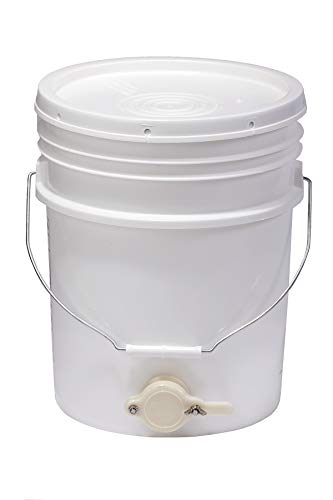
Food-grade bucket with honey gate
Honey still has to land somewhere and be drawn off cleanly, tap or no tap.
Food-grade plastic. Check what your buyer or state expects if you are selling.
Check price on Amazon
Common questions
What is a Flow Hive?
The Flow Hive is a modified Langstroth beehive with a patented honey super that allows honey to be harvested without opening the hive. Plastic cells in the super are designed to split when a key is turned, allowing honey to flow through a channel and out of a tube at the side of the hive. It was designed by Stuart and Cedar Anderson in Australia and funded through a record-breaking $13M+ Indiegogo campaign in 2015.
Does the Flow Hive actually work?
Yes, the Flow Hive works as advertised for honey harvesting. Turning the key splits the cells and honey flows out. The mechanism functions reliably in most circumstances. The controversy is not about whether the harvesting mechanism works, it does, but about whether buyers understand that the Flow Hive only simplifies one part of beekeeping (extraction) while leaving all other requirements unchanged. You still need to inspect the hive, manage Varroa mites, feed the bees, and provide winter care.
Is the Flow Hive worth the money?
For experienced beekeepers who find honey extraction tedious, it can be worth it. Traditional extraction requires uncapping frames, running an extractor, and cleaning equipment, a messy 2-3 hour process. The Flow Hive eliminates this. For beginners, the $800-$1,200 price tag is hard to justify given that they will not harvest honey in Year 1 anyway, and the extra cost does not make the other 95% of beekeeping any easier.
What honeys can you use in a Flow Hive?
The Flow Hive works best with liquid honeys, clover, wildflower, and most standard honey varieties. Honeys from high-crystallization nectars like canola (oilseed rape) are problematic. Canola honey can crystallize inside the plastic cells within hours of capping, jamming the mechanism and requiring the super to be removed and warmed before the cells will split correctly. If you keep bees near canola fields, this is a significant limitation. Check what your local nectar sources are before buying.
Can a beginner start beekeeping with a Flow Hive?
The Flow Hive company does not advise against beginners, but most experienced beekeepers do. The reason is not that the Flow Hive is bad equipment, it is that the effortless harvesting imagery can create unrealistic expectations about what beekeeping requires. Beginners who buy a Flow Hive thinking it will be low-maintenance often neglect hive inspections (still required), Varroa management (still required), and winter preparation (still required). The result is dead colonies and frustrated new beekeepers. Most experienced keepers recommend learning on a standard Langstroth for one to two years first.
Affiliate Disclosure: Some links on this page are affiliate links. If you buy through them, we earn a small commission at no extra cost to you. This supports the site and keeps our content independent. Full disclosure.